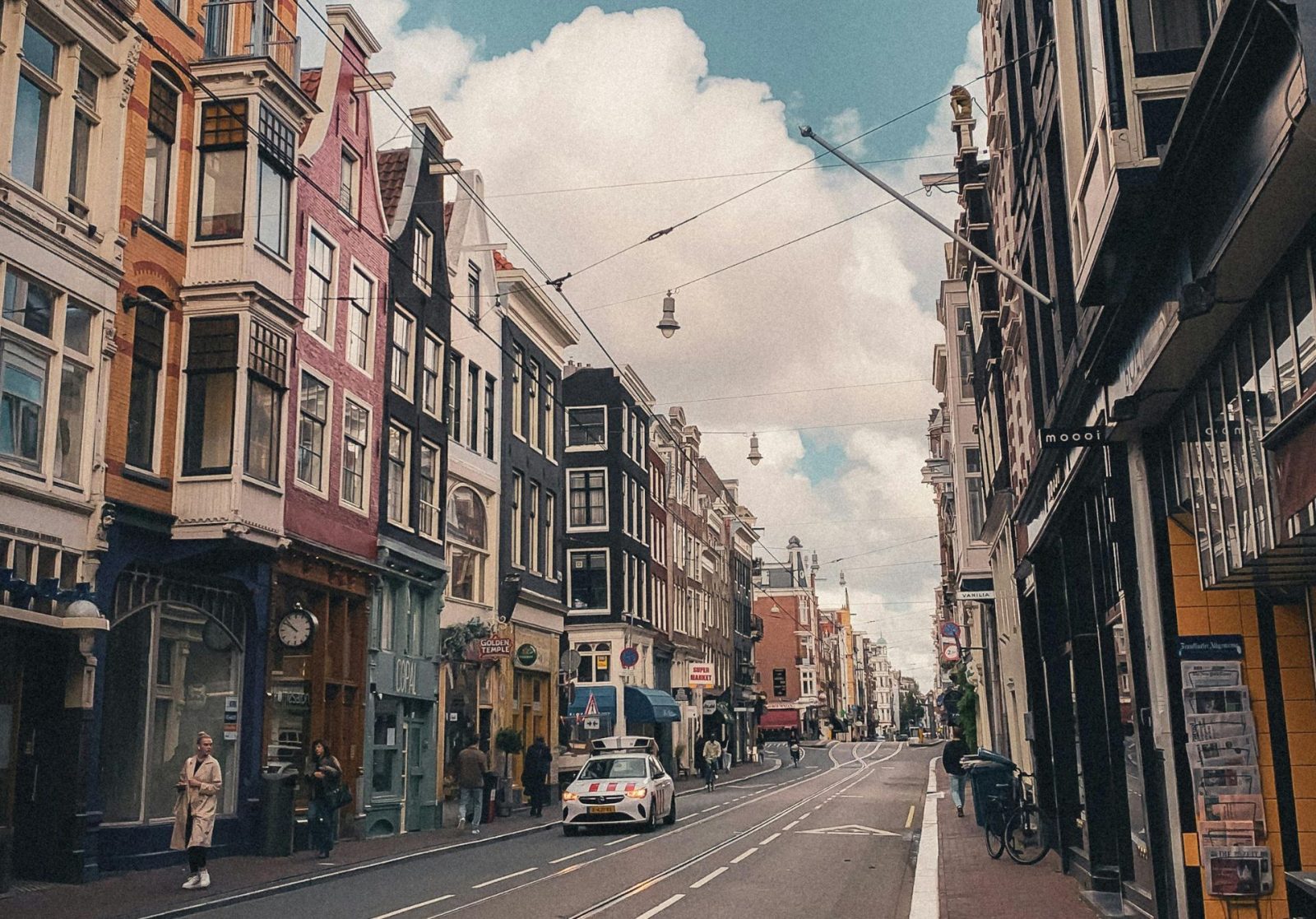
The Jordaan
Looking for that perfect blend of historic charm and contemporary cool? Let me introduce you to the Jordaan, Amsterdam’s most captivating neighborhood where 17th-century canal houses meet artisan boutiques, and where every cobblestone street tells a story worth discovering.
From Working-Class Roots to Hip Haven
Here’s something fascinating about the Jordaan: this picture-perfect district wasn’t always the trendy hotspot you see today. Built in the early 1600s during Amsterdam’s massive city expansion, the Jordaan was originally designed as a working-class quarter for craftsmen, immigrants, and refugees. The name itself likely derives from the French word “jardin” (garden), a nod to the Huguenots and other French refugees who settled here seeking religious freedom.
At its peak around 1900, approximately 80,000 people crammed into this compact area, living in conditions that were, frankly, pretty grim. We’re talking about poverty, filthy streets, and reeking canals. After World War II, things got so bad that city planners actually proposed demolishing the entire district to make way for modern apartment blocks. Thankfully, passionate citizens fought back, and by the 1970s, a thoughtful renovation began that preserved the neighborhood’s historic character while giving it new life.
Today, the Jordaan has completely transformed into one of Amsterdam’s most desirable addresses, attracting artists, young professionals, and those with deep pockets. But despite its gentrification, it’s managed to retain that authentic, laid-back Amsterdam vibe that makes it so special.
Getting There and Getting Oriented
The Jordaan sits snugly between four main canals on Amsterdam’s west side: Prinsengracht, Lijnbaansgracht, Passeerdersgracht, and Brouwersgracht. From Amsterdam Centraal Station, it’s an easy 15-minute walk—just head right and cross the main canals (Singel, Herengracht, Keizersgracht, and Prinsengracht), and you’re there. Prefer public transport? Hop on tram 13 toward Geuzenveld and get off at Marnixstraat/Rozengracht.
Once you arrive, ditch the map and embrace getting a little lost. The Jordaan’s maze of narrow streets and tiny canals follows the pattern of old ditches and paths, making it wonderfully distinct from Amsterdam’s more regimented canal belt. This quirky layout is half the charm.
Must-See Attractions and Hidden Gems
While wandering aimlessly is definitely encouraged, here are some highlights you won’t want to miss:
- Anne Frank House: Technically bordering the Jordaan on Prinsengracht, this haunting museum preserves the annexe where Anne Frank and her family hid during Nazi occupation. It’s one of Amsterdam’s most powerful experiences, but book tickets well in advance—this place is always packed.
- Noordermarkt: Every Saturday morning, this historic market comes alive with organic produce, local cheeses, fresh bread, and antiques. It’s where locals do their shopping, making it perfect for experiencing authentic Amsterdam life. The surrounding area also hosts a general market on Lindengracht.
- Hidden Hofjes: These are the Jordaan’s secret courtyards—peaceful havens tucked behind unassuming doors. The Sint Andrieshofje (established 1614) is the oldest, while Karthuizerhof features 104 tiny houses around a large courtyard. Some are closed to the public, but if you find an unlocked entrance, residents generally don’t mind a respectful peek.
- Quirky Museums: The Jordaan specializes in wonderfully weird museums. Electric Ladyland is the world’s first fluorescent art museum (yes, really). The Cat Cabinet is dedicated entirely to feline-themed art. There’s also the Houseboat Museum, where you can experience life on Amsterdam’s canals, and the Pianola Museum, showcasing self-playing pianos with live demonstrations.
Eating and Drinking Like a Local
The Jordaan’s culinary scene is absolutely booming, and this is where your concierge skills will really shine. The neighborhood packs an incredible variety of dining experiences into its compact streets.
For that quintessential Amsterdam café experience, you need to visit a “bruin café” (brown bar)—so named for their tobacco-stained walls and dark wood paneling. Café ‘t Smalle offers a stunning waterside terrace, while Café ‘t Papeneiland, built in 1642, allegedly has a tunnel in the basement once used to smuggle Catholic priests. For evening entertainment, Café de Twee Zwaantjes hosts Dutch sing-alongs and karaoke nights that get locals and tourists belting out classics together.
When hunger strikes, your options are deliciously diverse. Toscanini has been serving refined Italian cuisine since 1985, while plant-based deli Saint-Jean draws crowds with queues stretching out the door. And whatever you do, don’t skip Winkel43—their apple pie is legendary, served warm with generous dollops of whipped cream and a crumbly crust stuffed with caramelized apples.
Experience the Neighborhood Like an Amsterdammer
Want to really immerse yourself in Jordaan life? Here’s how the locals do it:
- Bike it: Amsterdam’s bike culture is famous for a reason, and the Jordaan looks absolutely gorgeous from a bicycle seat. Zip down narrow alleyways, cross tiny bridges, and cruise alongside those dreamy canals. Just remember—locals use bike lanes as serious transport routes, so stay alert and don’t take any side-eye personally.
- Take a canal cruise: If pedaling isn’t your thing, hop on a canal cruise. Several routes wind through the Jordaan’s most picturesque waterways, including the ornate Bloemgracht, which was considered ultra-posh during the Dutch Golden Age. The 17th-century canal houses here are especially elaborate.
- Browse the boutiques: The Jordaan is packed with independent galleries, artisan shops, and one-of-a-kind boutiques. Westerstraat is particularly good for shopping, and you’ll find contemporary art spaces like Galerie Ron Mandos and Galerie Fons Welters scattered throughout.
- Catch the Jordaan Festival: If you’re visiting in September, you’re in luck. This annual celebration showcases the neighborhood’s cultural heritage with music, food, and festivities that bring the whole community together.
Insider Tips for Travelers
Here’s what your clients (or you!) should know before visiting:
- The Jordaan is relatively quiet compared to Amsterdam’s tourist-heavy areas, making it perfect for travelers seeking a more authentic experience.
- Those stone tablets you’ll see on many buildings? They’re historical markers showing the original occupant’s profession or family crest. A butcher displayed a pig, a baker showed a loaf of bread—it’s like Instagram before Instagram existed.
- Many hofjes are locked to preserve residents’ privacy, but some open during special “open monuments days” or Sunday summer concerts called “hofjesconcerts.”
- The neighborhood is incredibly walkable, but those cobblestones can be uneven. Comfortable shoes are a must.
- For the best experience, stay overnight in the Jordaan. Many hotels occupy converted canal houses that preserve that historical atmosphere, and you’ll get to experience the neighborhood after the day-trippers leave.
Why the Jordaan Should Be on Every Amsterdam Itinerary
Look, Amsterdam has no shortage of amazing neighborhoods, but the Jordaan offers something truly special. It’s intimate without feeling cramped, historic without being stuck in the past, and charming without being cloying. This is where you’ll find the Amsterdam that locals actually live in—not just the tourist version.
Whether your clients are culture vultures hunting for museums, foodies seeking authentic Dutch cuisine, or simply travelers who want to wander beautiful streets with a coffee in hand, the Jordaan delivers. It’s the kind of place where you plan to spend two hours and end up spending two days, and honestly? That’s exactly as it should be.
The Bottom Line
The Jordaan represents Amsterdam at its finest: a neighborhood that’s successfully bridged its working-class past with its upscale present while maintaining the authentic character that makes it special. From hidden courtyards and quirky museums to world-class dining and those impossibly photogenic canals, this compact district packs more charm per square meter than almost anywhere else in the city. Whether you’re planning an itinerary for discerning travelers or exploring Amsterdam yourself, the Jordaan isn’t just a stop on the tourist trail—it’s the soul of Amsterdam, waiting to be discovered one cobblestone street at a time. Make sure it’s prominently featured in any Amsterdam experience you’re curating, because missing the Jordaan means missing the real Amsterdam.