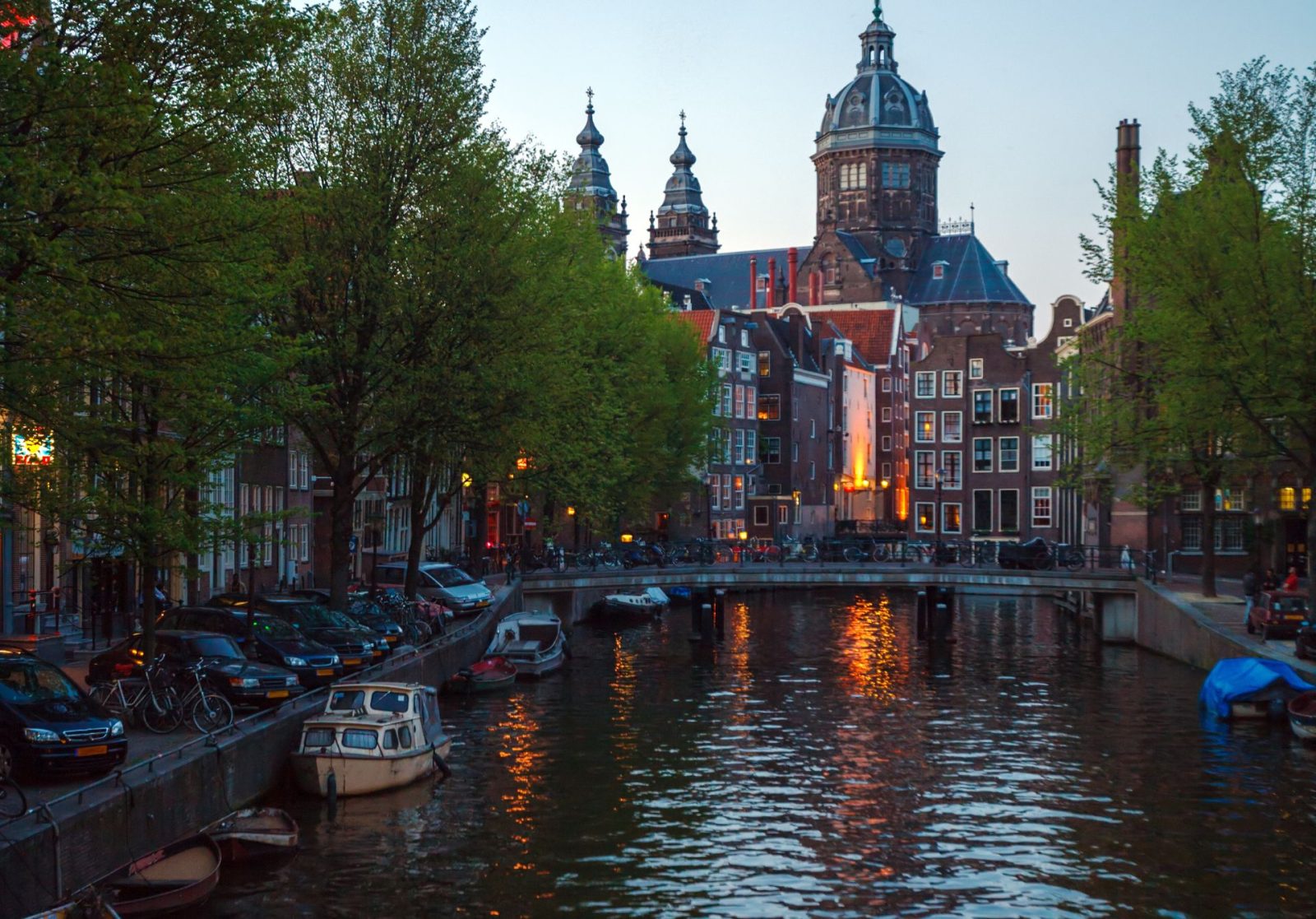
Canal Ring (Grachtengordel)
Picture this: you’re gliding along serene waterways lined with centuries-old gabled houses, their elegant facades reflected perfectly in the calm water below. Welcome to Amsterdam’s Grachtengordel—the Canal Ring—where history, architecture, and modern urban life blend seamlessly into one of Europe’s most captivating destinations.
What Makes the Canal Ring So Special?
Amsterdam’s Canal Ring isn’t just another pretty waterway system—it’s a masterpiece of 17th-century urban planning that literally shaped the face of a global empire. Built during the Dutch Golden Age (roughly 1580-1700), this ambitious project transformed marshy land into one of the world’s most recognizable cityscapes. In 2010, UNESCO designated the canal district as a World Heritage Site, recognizing it as “a masterpiece of human creative genius” and an outstanding example of hydraulic engineering and town planning.
Here’s what makes it extraordinary: with over 100 kilometers of canals, more than 1,500 bridges, and 165 waterways (actually more than Venice!), Amsterdam has rightfully earned its nickname as the “Venice of the North.” But unlike Venice, which evolved organically over time, Amsterdam’s Canal Ring was a deliberate, visionary urban expansion project that served as a model for city planning worldwide until the 19th century.
The Four Main Canals You Need to Know
The Canal Ring consists of four principal canals arranged in concentric semicircular arcs around the medieval city center. Think of them as rings expanding outward, each with its own character and story:
- Singel: The innermost canal that originally served as a moat around medieval Amsterdam from 1480 until 1585. Today, it’s your gateway to the canal district, easily accessible with a short walk from Central Station. The Singel is where Amsterdam’s journey from fortified town to cosmopolitan city began.
- Herengracht (Patricians’ Canal): Named after the “heren regeerders” (patrician rulers) who governed the city, this was where money lived. The Herengracht features the famous “Golden Bend” (Gouden Bocht), a stretch of double-wide mansions with inner gardens and coach houses that screams old-money elegance. Historical figures like Samuel Sarphati and Peter the Great left their mark here—Peter stayed at number 527 during his second Amsterdam visit.
- Keizersgracht (Emperor’s Canal): Named after Holy Roman Emperor Maximilian I, this is the widest of the main canals at 28 meters. It’s home to fascinating museums like Huis Marseille (the Netherlands’ oldest photography museum) and the Homomonument. American founding father John Adams stayed at number 529, while scientist Daniel Fahrenheit resided at 463-465.
- Prinsengracht (Prince’s Canal): The fourth and longest canal, named for the Prince of Orange. This waterway hosts some of Amsterdam’s most important sites, including the Anne Frank House, which attracts over a million visitors annually. The Prinsengracht is also the heart of major celebrations like King’s Day in April and the Canal Pride parade in August.
A Brief History That’ll Blow Your Mind
By the early 1600s, Amsterdam was bursting at the seams. The city had evolved from a 10th-century fishing village into a global trade powerhouse—the center of an empire stretching from Brazil to Indonesia. Immigrants flooded in, drawn by economic opportunities and the city’s reputation for religious tolerance (a radical concept at the time). Something had to give.
Enter Amsterdam’s architects and planners with their audacious solution: drain the swampland and create an entirely new, planned urban district using a network of concentric canals. Construction began in 1613 in the northwestern sector and proceeded “like a gigantic windshield wiper,” as historian Geert Mak described it—from west to east across the breadth of the layout, not from the center outward as many assume.
The northern section was completed around 1625, while the southern sector began after 1664, though economic depression slowed progress. What they created was unprecedented: a homogeneous urban ensemble with standardized plot sizes, uniform street layouts, and a harmonious architectural vision that balanced functionality with beauty.
Fun Fact: The canal houses you see today, with their distinctive narrow facades and steep gables, weren’t just architectural whimsy—they were practical. Property taxes were based on facade width, so building narrow and deep made financial sense. Those gables? They housed pulley systems for hoisting furniture and goods to upper floors, since the staircases inside were often too narrow.
What You Can’t Miss: Essential Experiences
Whether you’re planning a quick visit or an extended stay, these experiences should top your Canal Ring itinerary:
- Take a Canal Cruise: This isn’t just a tourist cliché—it’s genuinely the best way to understand the canal system’s scope and appreciate the architecture from water level. Plus, you’ll see houseboats, floating gardens, and hidden courtyards invisible from the streets.
- Explore by Bike: Do as the Dutch do and rent a bicycle. The flat terrain and dedicated bike paths make cycling the perfect way to discover hidden gems, boutique shops in the Negen Straatjes (Nine Streets), and cozy cafés tucked along quieter canals like the Bloemgracht.
- Visit Canal House Museums: Step inside beautifully preserved 17th-century homes like Museum Van Loon (Keizersgracht 672) or Museum Willet-Holthuysen (Herengracht 605) to see how Amsterdam’s elite actually lived, complete with original furnishings, silverware, and family portraits spanning centuries.
- The Grachtenhuis (Museum of the Canals): Located at Herengracht 386, this interactive museum explains exactly how this engineering marvel was created. It’s perfect for understanding the “how” and “why” behind what you’re seeing.
- Photography Paradise: Head to Reguliersgracht for the famous “Seven Bridges” view, where you can capture multiple bridges in a single frame—especially magical at dusk when the bridges are illuminated.
Best Times to Visit
Timing your visit can dramatically enhance your experience:
- Spring (April-May): Tulip season transforms the canals with blooming trees and flowers. King’s Day (April 27) turns the entire city—especially Prinsengracht—into one massive orange-clad street party with floating markets and boat parties.
- Summer (June-August): The busiest tourist season brings warm weather perfect for terrace-sitting and outdoor concerts. The Canal Pride parade (early August) fills the Prinsengracht with elaborately decorated boats, and the Grachtenfestival features classical concerts on floating stages.
- Fall (September-October): Fewer crowds, golden autumn light perfect for photography, and pleasant temperatures for walking and cycling.
- Winter (December-February): If you’re lucky enough to catch the canals frozen (rare but magical), you’ll witness locals ice-skating on centuries-old waterways. The Christmas markets and New Year’s fireworks create unforgettable atmospheres.
Modern Life on Historic Waters
What’s remarkable about Amsterdam’s Canal Ring is that it’s not a museum piece—it’s a living, breathing neighborhood where people actually live, work, and play. Alongside the 1,550 monumental buildings, you’ll find:
- Approximately 2,500 houseboats serving as permanent residences (though getting one requires years on a waiting list)
- World-class museums, including nearby attractions like the Rijksmuseum and Van Gogh Museum
- Thriving business districts, boutique hotels, and some of Europe’s most expensive real estate
- Trendy neighborhoods like the Jordaan, once a working-class area now filled with art galleries, vintage shops, and hip restaurants
The canals have also undergone remarkable environmental improvements. Until the mid-19th century, the water was essentially an open sewer—stagnant, foul, and full of refuse. The 1879 installation of the steam-powered Gemaal Zeeburg pump station began improving conditions, with full sewer connections finally completed in 1987. Today, the water quality has improved so dramatically that fish have returned, and occasional swimming events are even held in the canals.
Practical Tips for Your Visit
- Getting There: Exit Amsterdam Central Station, turn right, and walk five minutes to reach the Singel. From there, the concentric layout makes navigation intuitive—just follow one canal to find the next.
- Where to Stay: Canal-view hotel rooms command premium prices and book quickly, but the location and ambiance justify the cost. For budget travelers, consider accommodations in the Jordaan or De Pijp neighborhoods within easy walking or cycling distance.
- Respect the Neighborhood: Remember, people live here. Keep noise down, don’t block sidewalks for photos, and absolutely don’t swim in the canals (it’s illegal and potentially dangerous).
- Plan Museum Visits: Popular spots like the Anne Frank House require advance booking, often weeks ahead during peak season. Purchase tickets online to avoid disappointment.
Why the Canal Ring Matters Today
Amsterdam’s Grachtengordel represents more than just pretty scenery for Instagram posts. It’s a testament to what’s possible when urban planning prioritizes both functionality and beauty, when cities are built for people rather than just commerce. The canal system solved practical challenges—transportation, water management, defense—while creating public spaces that enhance quality of life four centuries later.
In an era when many cities struggle to balance historic preservation with modern development, Amsterdam’s Canal Ring proves it’s possible to honor the past while embracing the future. The UNESCO designation in 2010 wasn’t just about protecting old buildings; it recognized the canal district as “outstanding universal value” that belongs to all humanity.
Final Thoughts: Your Canal Ring Adventure Awaits
Whether you’re a history buff fascinated by the Dutch Golden Age, an architecture enthusiast drawn to those iconic gabled facades, or simply someone who appreciates beautiful places, Amsterdam’s Canal Ring delivers. It’s a destination where every bridge offers a new perspective, every street corner reveals another layer of history, and every visit uncovers something previously missed.
The Grachtengordel isn’t just a place to visit—it’s an experience to savor. Rent that bike, take that canal cruise, get delightfully lost in the Jordaan’s narrow streets, and discover why this 17th-century urban planning marvel continues to captivate millions of visitors annually. After all, there’s a reason UNESCO called it a masterpiece of human creative genius.
Your Amsterdam adventure starts where the water meets the cobblestones. We’ll see you on the canals.